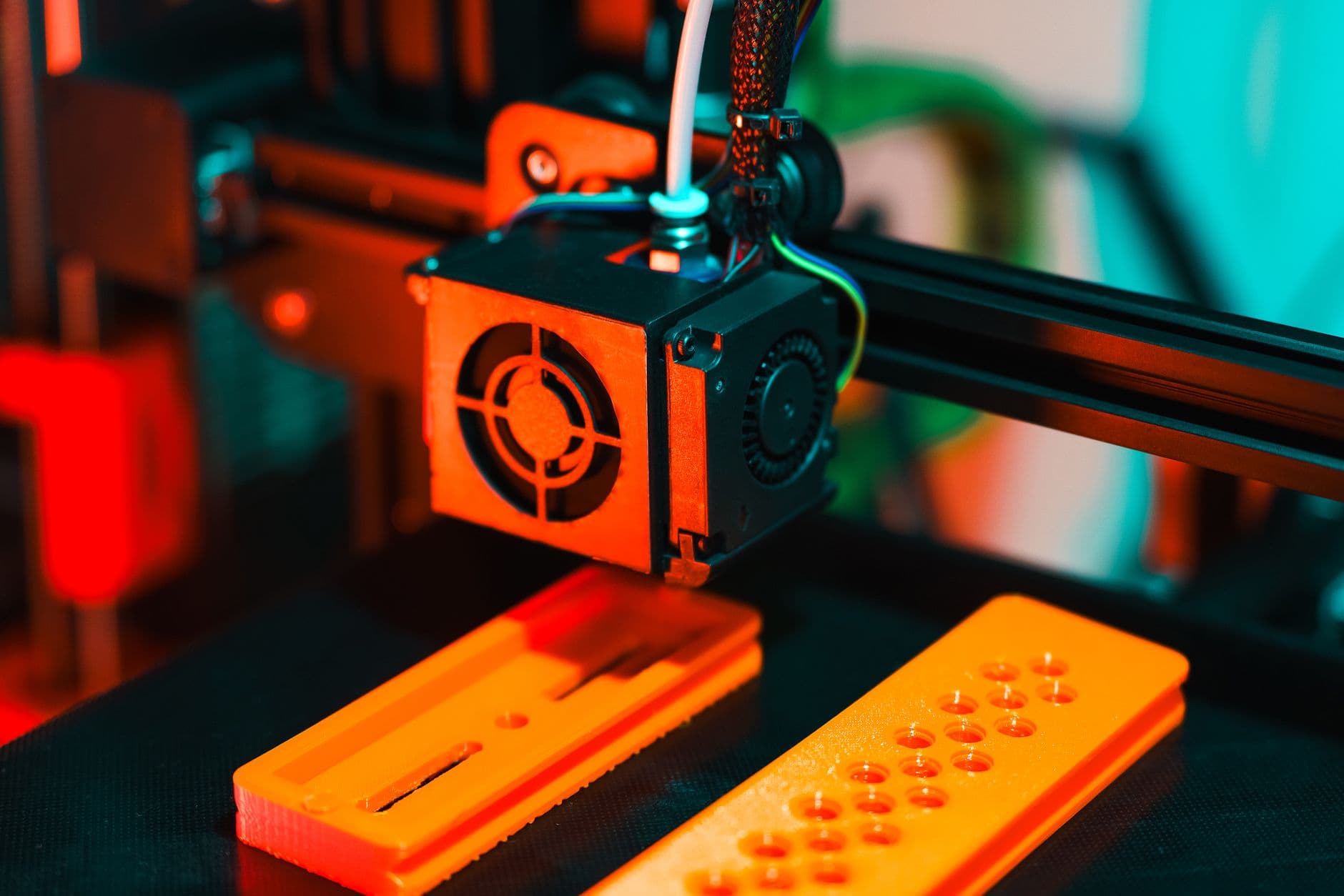
The global landscape of defense and technology is undergoing a dramatic shift, with unmanned aerial vehicles (UAVs), or drones, at the forefront. What's truly remarkable is the pivotal role 3D printing is playing in this evolution, driving a forecasted $900 million boom in the drone 3D printing sector by 2034. This isn't just about military might; it's a testament to the transformative power of additive manufacturing in creating agile, cost-effective solutions that have far-reaching implications, even for us here in South Africa.
A New Era of Agile Innovation
Traditionally, military drones have been high-cost, complex machines designed for durability and longevity. However, strategic needs are changing. There's a growing demand for "attritable" drones – affordable, rapidly deployable units that can be produced quickly, scaled easily, and, if necessary, be deemed expendable in high-risk scenarios without crippling budgets. This shift offers significant strategic advantages, enabling more pervasive surveillance, reconnaissance, and even offensive capabilities at a fraction of the cost.
This is where 3D printing truly shines. Its ability to rapidly prototype and manufacture complex geometries from low-cost polymers makes it an ideal fit. Design iterations that once took months can now be achieved in weeks, or even days. This speed, combined with the material efficiency and reduction in tooling costs, allows for unparalleled agility in design and production, fundamentally changing how these critical assets are developed and deployed.
South Africa's Opportunity in Additive Manufacturing
For South Africa, this global trend represents a significant opportunity. The demand for agile, localized manufacturing solutions is not confined to international defense; it resonates deeply within our own economic and developmental context. Local providers of additive manufacturing services are uniquely positioned to leverage these advancements, not only for potential defense applications but also for a multitude of civilian uses.
ThinkerPrint, with its cutting-edge rapid prototyping capabilities, is at the forefront of this innovation. Imagine the potential for businesses and research institutions to develop specialised drone components for environmental monitoring, precision agriculture, anti-poaching efforts, or infrastructure inspection. Our local expertise can significantly reduce lead times and costs, fostering a robust domestic industry that is less reliant on expensive imports.
Beyond Defense: A Catalyst for Broader Impact
While military demands are driving this impressive growth, the underlying technological advancements benefit a much wider spectrum. The lessons learned in producing robust, affordable, and rapidly deployable drones via 3D printing can be directly applied to civilian sectors. From delivering critical medical supplies to remote areas to mapping terrain for urban planning, the applications are boundless.
Embracing 3D printing technology for drone development allows South African innovators to leapfrog traditional manufacturing hurdles. It democratizes access to advanced manufacturing, enabling smaller enterprises and startups to compete on a global scale. ThinkerPrint is committed to supporting this innovative ecosystem, providing the tools, expertise, and additive manufacturing services needed to turn visionary concepts into tangible realities.
This boom isn't just about drones; it's about the future of manufacturing, driven by efficiency, adaptability, and local empowerment. Let's seize this moment to elevate South Africa's position in the global additive manufacturing landscape.