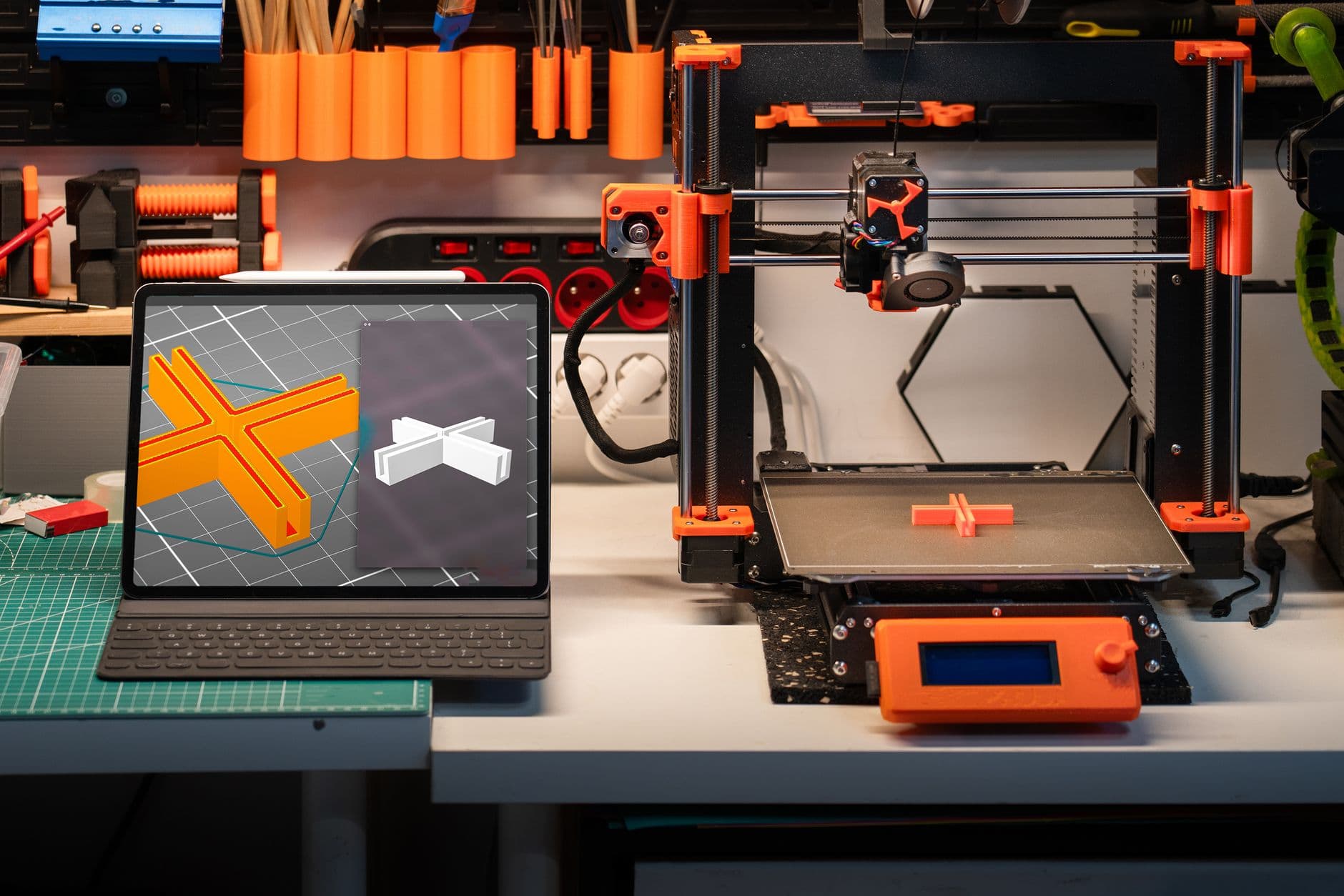
The world of additive manufacturing is abuzz with the news: Bambu Lab, a name synonymous with innovation and performance in 3D printing, is expanding its footprint by opening physical retail stores in the United States. Having already shipped over a million units globally, this strategic move signifies more than just business growth; it marks a pivotal moment in the journey of 3D printing from a niche technology to a mainstream accessible tool.
This expansion by a market leader like Bambu Lab is a clear indicator of the technology's increasing maturity and consumer adoption. Physical retail presence will not only make 3D printers more visible and tangible to the general public but also provide opportunities for hands-on experience, product demonstrations, and direct customer support. It demystifies the technology, inviting a broader audience to explore its potential, from creative hobbies to serious professional applications.
What This Means for 3D Printing in South Africa
While Bambu Lab's initial retail focus is on the US, the global ripple effects are undeniable and hold significant implications for the South African market. As 3D printing becomes more accessible and understood internationally, the demand and awareness within our borders will inevitably grow. Businesses, educators, and individual innovators across South Africa are increasingly recognising the transformative power of additive manufacturing.
This surge in interest translates directly into a greater need for expert additive manufacturing services. From intricate custom parts to robust functional prototypes, the applications are endless. Companies in local hubs are already at the forefront, offering specialized solutions for various industries. The ability to rapidly iterate designs and produce components through rapid prototyping is becoming a competitive advantage for businesses, reducing time-to-market and fostering innovation.
ThinkerPrint stands ready to meet this evolving demand. We understand that while the technology becomes more accessible, the expertise required for industrial-grade applications, complex designs, and material science remains paramount. Our commitment is to provide premium 3D printing solutions, ensuring that local businesses and individuals can harness the full potential of this groundbreaking technology without the steep learning curve or significant capital investment.
The mainstreaming of 3D printing, heralded by moves like Bambu Lab's retail expansion, is an exciting development. It signals a future where innovation is democratized, and the barriers to bringing ideas to life are significantly lowered. For South Africa, this means a burgeoning ecosystem of creativity, efficiency, and economic growth, driven by the power of additive manufacturing.
Frequently asked questions
What does Bambu Lab's retail expansion signify for 3D printing?
Bambu Lab's retail expansion marks a pivotal moment in 3D printing's journey from a niche technology to a mainstream accessible tool. It indicates the technology's increasing maturity and consumer adoption.
How will Bambu Lab's retail presence impact public access to 3D printers?
Physical retail stores will make 3D printers more visible and tangible to the general public. They will also provide opportunities for hands-on experience, product demonstrations, and direct customer support.
What are the implications of mainstream 3D printing for South Africa?
The global mainstreaming of 3D printing will inevitably increase demand and awareness within South Africa. This surge in interest leads to a greater need for expert additive manufacturing services for businesses, educators, and innovators.
What types of applications are growing in demand in South Africa?
Businesses, educators, and individual innovators in South Africa are increasingly seeking solutions for intricate custom parts and robust functional prototypes. Rapid iteration of designs and component production through rapid prototyping is becoming a competitive advantage.