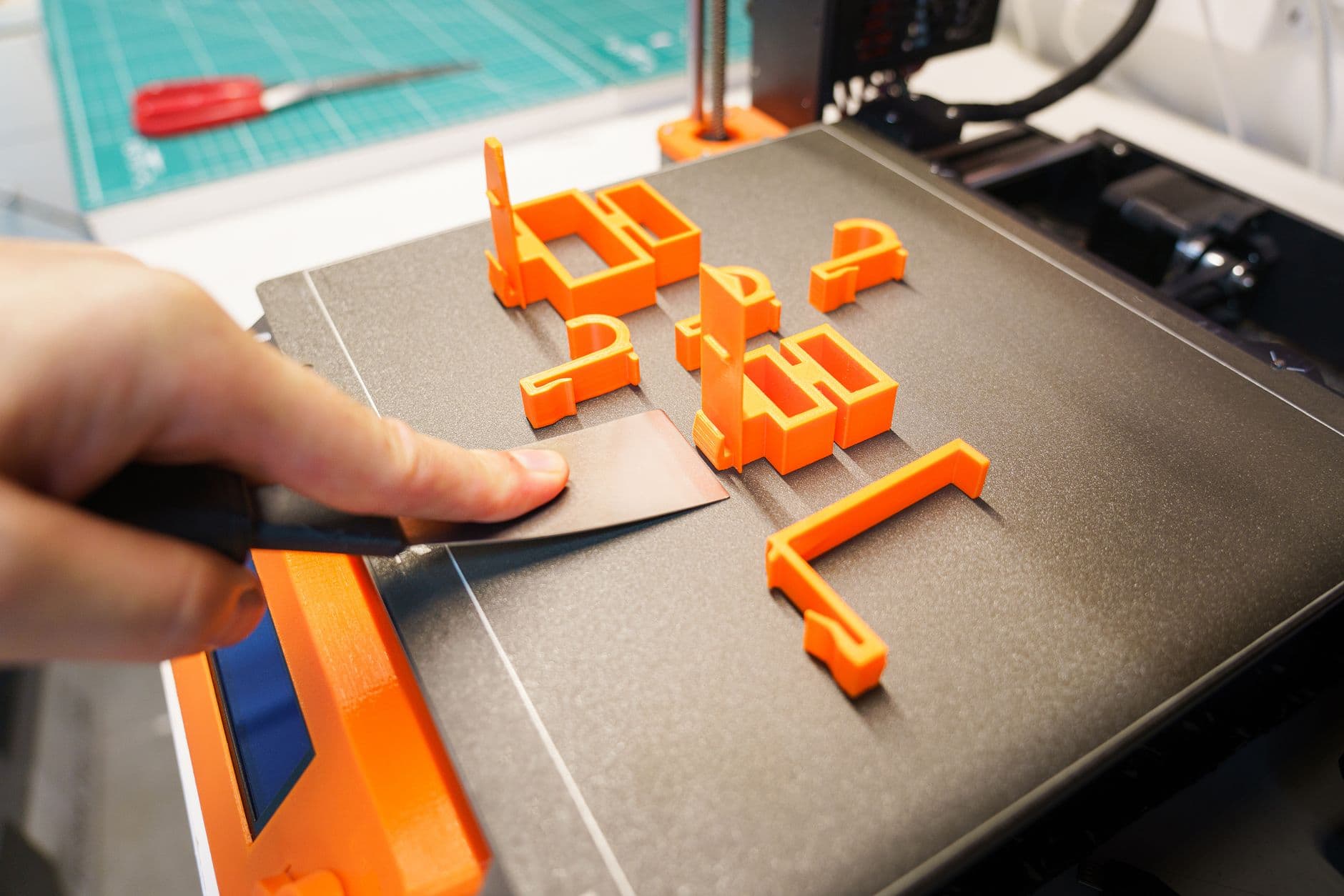
The manufacturing landscape is constantly evolving, driven by technological advancements and a growing demand for personalization. Desktop 3D printers have become increasingly accessible, placing the power of fabrication directly into the hands of consumers. Yet despite this expanding capability, the market for "Finish-It-Yourself" (FIY) products remains surprisingly niche. At ThinkerPrint, we believe this represents a significant untapped opportunity for innovative brands and local makers.
The Promise of Personalization and Participation
The concept behind FIY products is both simple and revolutionary: brands provide the core components or base designs, while consumers use their own 3D printers to produce supplementary parts, tailoring the final product to their exact needs or aesthetic preferences. Imagine buying a premium desk organizer and printing your own custom modular dividers, or purchasing a gadget with a user-designed housing.
This model offers compelling advantages for both sides. For consumers, it deepens their connection to the products they buy, turning passive buyers into active creators while often reducing overall costs. It creates an empowering experience that celebrates individuality and resourcefulness. For brands, it provides a chance to build engaged communities, reduce physical inventory, and offer extensive customization without incurring massive manufacturing overheads.
Bridging the Gap for Local Businesses
South Africa's vibrant maker community and growing adoption of advanced manufacturing make it ideally suited for the FIY trend. Local print providers can play a pivotal role by partnering with brands to develop these product lines—offering expertise in design for additive manufacturing, material selection, and quality control for core components.
Consider a design studio collaborating with a local electronics company to release open-source enclosure designs, allowing customers to print custom casings at home. Or a furniture brand using prototyping services to iterate on modular designs that homeowners can later complete with 3D-printed connectors or decorative elements. A collaborative ecosystem like this fosters local innovation and creates new commercial opportunities.
Addressing the Challenges, Embracing the Future
Naturally, this shift comes with hurdles. Brands may worry about maintaining quality standards, protecting intellectual property, or providing adequate support for user-printed components. However, these concerns can be mitigated through clear design guidelines, robust digital rights management, and community-driven support forums.
At ThinkerPrint, we envision a future where FIY products are commonplace, empowering consumers to not just buy products, but to help create them. By tapping into distributed manufacturing through accessible 3D printing technology, we can unlock new avenues for economic growth, consumer engagement, and sustainable product lifecycles. It is time for brands to recognize the power of the maker and invite them into the creation process. The tools are ready, the community is eager, and the next chapter of manufacturing innovation awaits.